New cooperation initiatives on grid digitalization, battery energy storage systems (BESS), technical capacity building and applications at power utilities are helping lay the groundwork for modernizing Viet Nam’s power system while strengthening knowledge sharing across Southeast Asia.
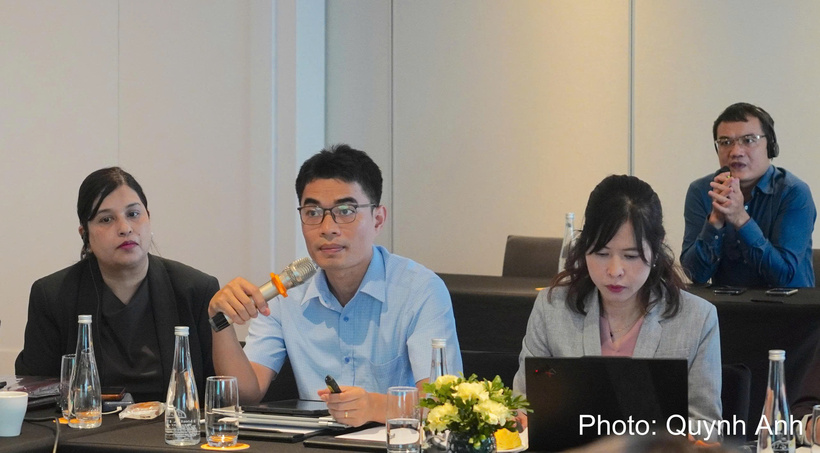
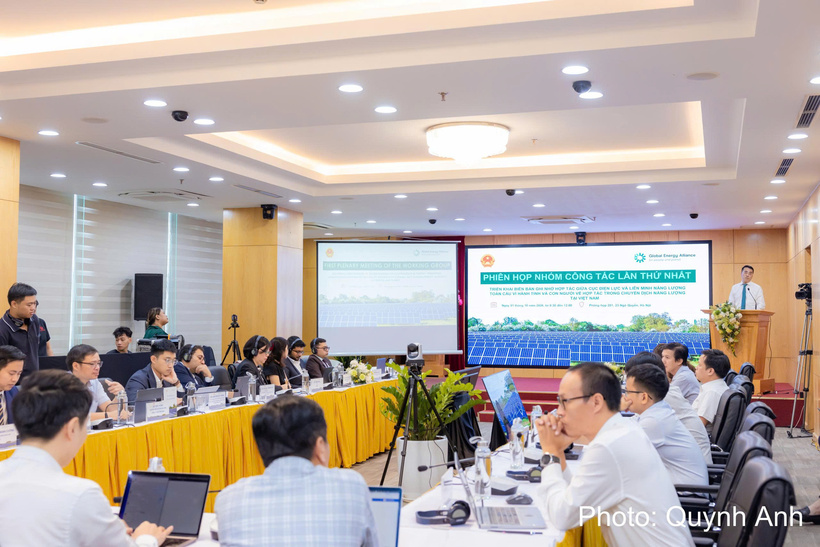
Following the "Building the Grid of the Future" roundtable held in Hanoi on September 30, where experts and development partners discussed with the press new requirements for Viet Nam’s power system, the Electricity Authority under the Ministry of Industry and Trade and the Global Energy Alliance for People and Planet (Global Energy Alliance) held a working group meeting on October 1 to implement the Memorandum of Understanding (MOU) on energy transition cooperation recently signed by the two sides.
The meeting marked the next step in translating the cooperation commitments into concrete activities, with a focus on power grid modernization and digitalization, development of Battery Energy Storage Systems (BESS), enhanced system flexibility and reliability, knowledge sharing and domestic capacity building.
Digitalization and development of the BESS ecosystem
At the September 30 roundtable, experts said that rapidly rising electricity demand, coupled with the growing share of renewable energy and distributed energy resources, is creating new requirements for power system operations.
The location and intended use of BESS can determine the value these systems bring to the power system. Depending on the needs of each area, storage systems can be deployed near load centers, in areas with substantial renewable energy resources, or at points where the grid frequently comes under pressure.
At the September 30 Press Roundtable, experts said rising electricity demand and renewable energy integration are creating new requirements for power system operations.
How BESS is located and operated will determine its contribution to balancing supply and demand, reducing pressure on the grid and improving the utilization of existing infrastructure.
Another important requirement is to enhance “grid visibility”, the ability to monitor, collect data and understand what is happening across the power grid. As the number of BESS installations increases, the challenge is no longer simply to deploy additional storage systems, but also to monitor and coordinate multiple BESS installations across different locations and voltage levels effectively.
Power utilities need data and digital tools to monitor grid conditions, anticipate changes and make appropriate operational decisions.
To support this effort, the Global Energy Alliance is developing a centralized energy management and dispatch scheduling platform for BESS. The platform enables multiple BESS installations deployed at different locations and voltage levels to be monitored and optimized.
Based on grid operating conditions and signals such as electricity price forecasts, the platform can support decisions on when and how individual systems should be charged or discharged.
The approach aims to optimize the operational value and economic efficiency of distributed storage systems, while providing additional information to support power system management and operations.
The platform also represents a practical application of digital technology in energy storage management and could provide insights and experience for broader efforts to improve system visibility, enhance operational flexibility and support the effective integration of BESS into the power system.
"BESS is not just about hardware. As the number of storage systems increases, software, data and coordination capabilities will significantly determine how much value these systems can create for the grid," said Biswarup Ghosh, Global Director for Grids of the Future at the Global Energy Alliance for People and Planet.
A notable issue discussed at the meeting was a proposal to establish a Center of Excellence for BESS. The center is envisioned as a platform for Vietnamese agencies, organizations, businesses and educational institutions to learn from international experience, develop capacity-building cooperation and access financing in the implementation of energy transition activities.
Under the direction discussed at the meeting, if appropriately established, the center could serve as a hub for research, training, testing, knowledge sharing and experience exchange on energy storage technologies. It would build on technical results and stakeholder networks developed through previous BESS activities, while supporting capacity building for regulators, power utilities, businesses, universities and research organizations in Viet Nam.
The Electricity Authority and its partners will continue discussions on the center’s operating model, scope of functions, resources and implementation roadmap to ensure that it is aligned with Viet Nam’s practical needs and power system development requirements.
"The growing role of battery energy storage creates a need to strengthen domestic expertise among the agencies and organizations responsible for planning, managing, deploying and operating these systems. The Center of Excellence will provide a place to build expertise, share experience and develop the capabilities Viet Nam needs as BESS is deployed at an increasingly large scale," said Dr. Hoang Anh, Director of the Electrical Engineering Training Program, School of Electrical and Electronic Engineering, Hanoi University of Science and Technology.
Viet Nam also needs to continue studying how BESS can create and be recognized for different values within the power system. Depending on market structures, pricing mechanisms and intended uses, BESS can provide a range of services, from time-shifting energy and supporting peak demand to providing ancillary services for system operations.
Clearly defining these services, dispatch mechanisms, operating arrangements and payment mechanisms will require further study to create conditions for BESS development in line with the needs of Viet Nam’s power system.
From national cooperation to applications at power utilities
Cooperation between the Global Energy Alliance and its Vietnamese partners is expanding from policy dialogue and technical assistance to practical applications at power utilities.
In addition to the MOU signed with the Electricity Authority, on September 29, 2026, the Global Energy Alliance signed an MOU on energy transition and grid modernization with Ho Chi Minh City Power Corporation (EVNHCMC).
In the initial phase, the two sides will implement a six-month “Utility Charter” program to assess EVNHCMC’s existing system, identify priorities and develop an implementation roadmap.
Potential areas of cooperation include developing a digital twin of the distribution grid, managing distributed energy resources and developing BESS solutions.
Working Group Meeting to Implement the Memorandum of Understanding (MOU) on Energy Transition Cooperation.
Implementation at the utility level will provide an opportunity to assess digital solutions and energy storage technologies under real-world operating conditions, while generating additional data and experience for the modernization of Viet Nam’s power grid.
The activities form part of the Global Energy Alliance’s Grids of the Future program, which focuses on connecting solutions for grid digitalization, distributed renewable energy and energy storage with the practical conditions of individual countries.
In Viet Nam, the combination of national-level dialogue, development of digital tools, utility-level applications and domestic technical capacity building is laying the groundwork for modern grid solutions to be tested, refined and deployed in practice, creating a basis for sharing experience across the region.
“Viet Nam has significant potential to become an important hub for grid modernization in Southeast Asia. This is an opportunity for Viet Nam to develop solutions suited to its domestic needs while building experience that can be shared and applied more broadly across the region,” said Minh Nguyen, Country Director for Viet Nam at the Global Energy Alliance for People and Planet.
“Modernizing Viet Nam’s power grid requires continuous technical cooperation and coordination across the energy sector as the system increasingly integrates renewable energy sources and new technologies. Through our cooperation with the Global Energy Alliance, we are jointly identifying practical priorities in areas such as grid digitalization and battery energy storage systems, while strengthening the technical foundation needed to support implementation,” said Tang The Hung, Deputy General-Director of the Electricity Authority under the Ministry of Industry and Trade.
In addition to the priority areas outlined above, the Electricity Authority expects the working group to continue studying and proposing new cooperation initiatives based on Viet Nam’s practical needs and the strengths of international partners. The aim is to ensure that the commitments under the MOU are implemented substantively, produce concrete outputs and support agencies and businesses in carrying out relevant activities.
The two sides aim to develop the working group into a regular, flexible and effective mechanism for dialogue, thereby strengthening the sharing of knowledge, experience and technology and mobilizing the resources needed for Viet Nam’s energy transition.
Through upcoming cooperation activities, the Electricity Authority and the Global Energy Alliance for People and Planet aim to make practical contributions to power system modernization, energy storage development and the integration of renewable energy sources, while supporting Viet Nam in meeting the requirements for a safe, reliable, flexible and sustainable power system in the new period.
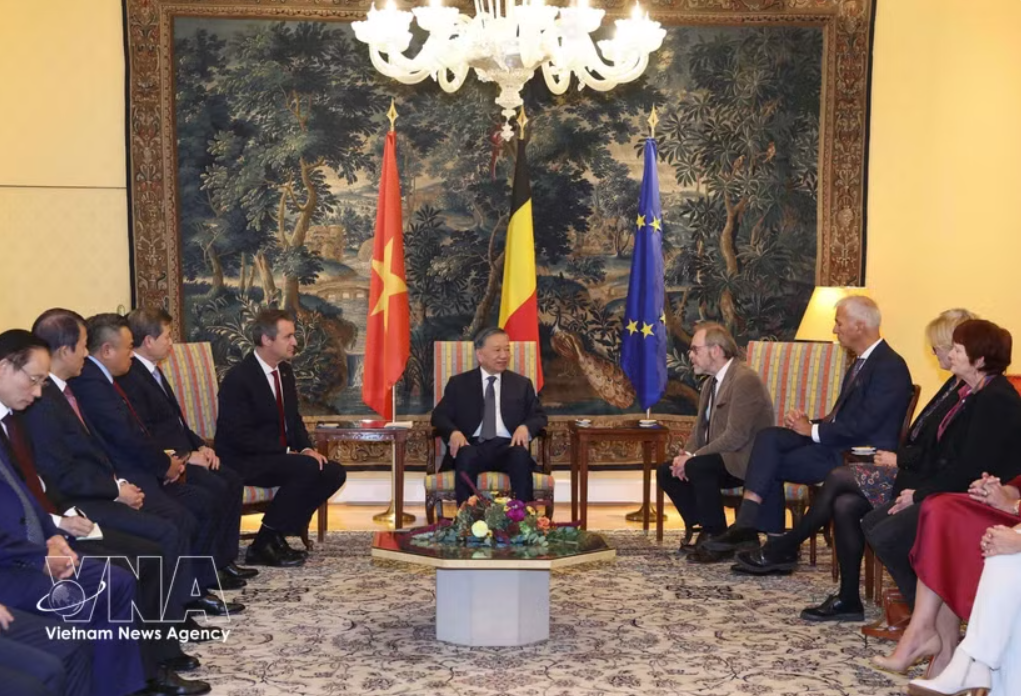
The Viet Nam Economic News respectfully presents the full text of the the Joint Statement on the outcome of the official visit to the Kingdom of Belgium by General Secretary and President To Lam.
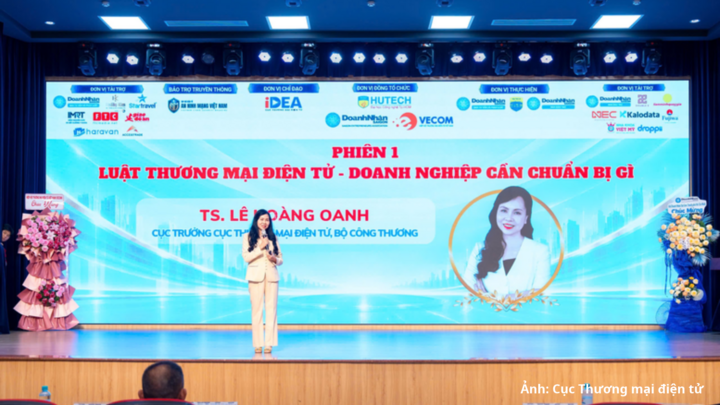
With e-commerce valued at USD 31 billion in 2025, officials called for closer government-university-business ties to enhance efficiency, skills and innovation.
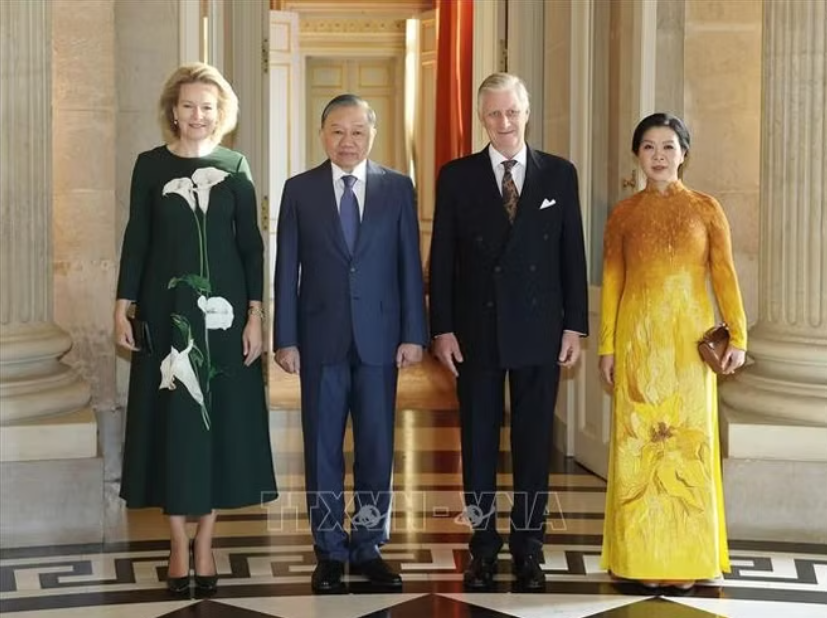
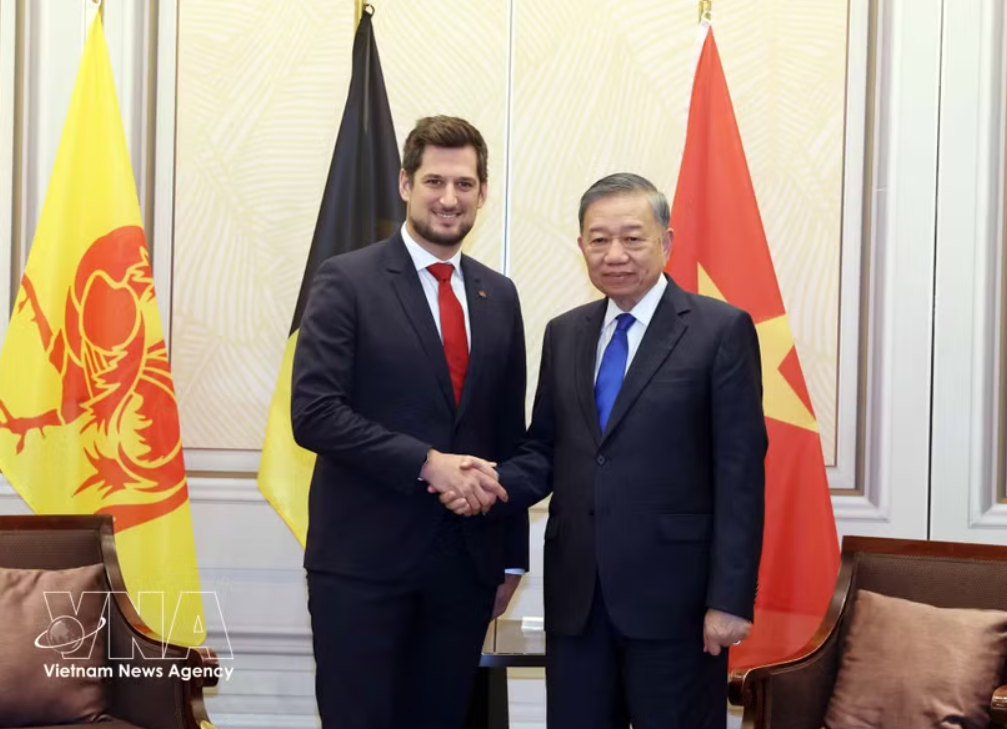
Discussing future orientations, General Secretary and President To Lam suggested that the government of the Wallonia region support the early elevation of Viet Nam–Belgium ties to a Strategic Partnership.
The host leaders described the Belgian House of Representatives' approval of the EU - Viet Nam Investment Protection Agreement (EVIPA) as tangible evidence of the two countries’ determination and potential to expand economic, trade and investment cooperation.
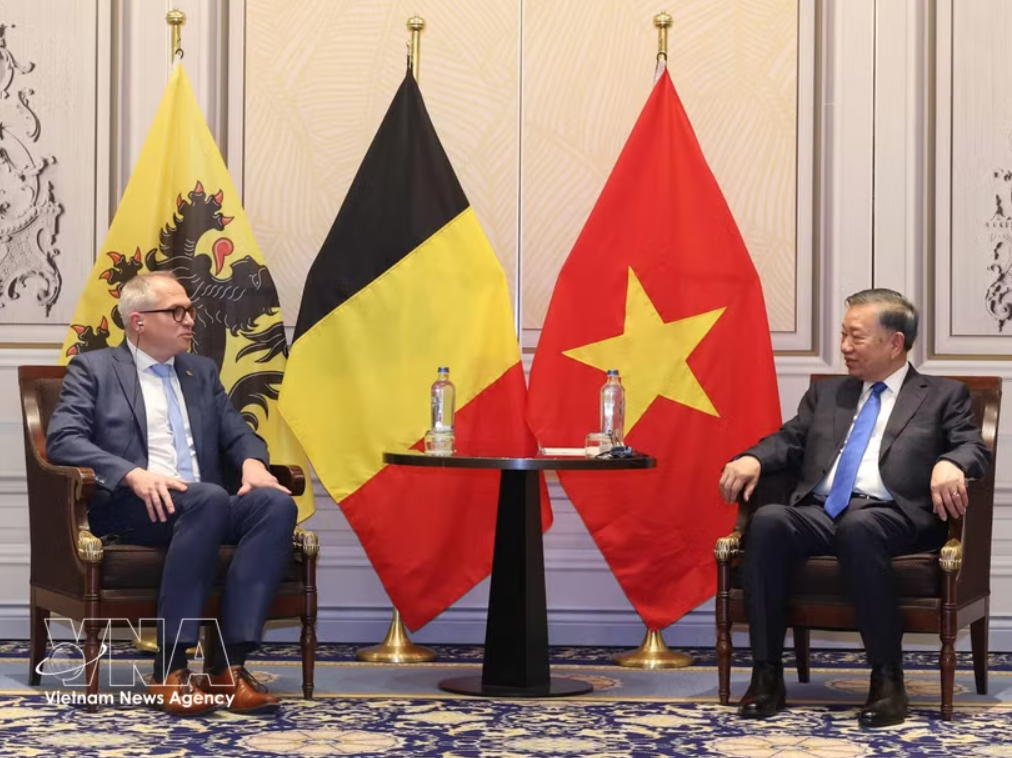
The top leader called on Flanders to support the early elevation of Viet Nam - Belgium relations to a strategic partnership, take a pioneering role in promoting economic cooperation, encourage businesses to expand investment in Viet Nam, and back the completion of ratification and effective implementation of the EU–Viet Nam Investment Protection Agreement (EVIPA).
The Viet Nam Economic News respectfully presents the full text of the the Joint Statement on the outcome of the official visit to the Kingdom of Belgium by General Secretary and President To Lam.
Discussing future orientations, General Secretary and President To Lam suggested that the government of the Wallonia region support the early elevation of Viet Nam–Belgium ties to a Strategic Partnership.
The host leaders described the Belgian House of Representatives' approval of the EU - Viet Nam Investment Protection Agreement (EVIPA) as tangible evidence of the two countries’ determination and potential to expand economic, trade and investment cooperation.
The top leader called on Flanders to support the early elevation of Viet Nam - Belgium relations to a strategic partnership, take a pioneering role in promoting economic cooperation, encourage businesses to expand investment in Viet Nam, and back the completion of ratification and effective implementation of the EU–Viet Nam Investment Protection Agreement (EVIPA).
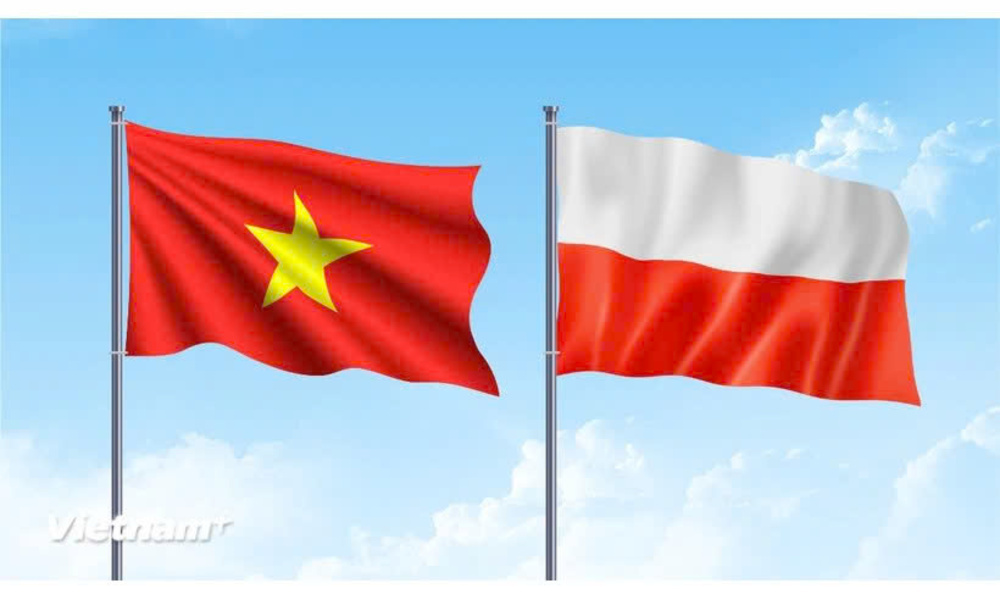
Polish Prime Minister Donald Tusk will pay an official visit to Viet Nam from October 24 to 26 as the bilateral trade continues to grow, creating opportunities for deeper cooperation.